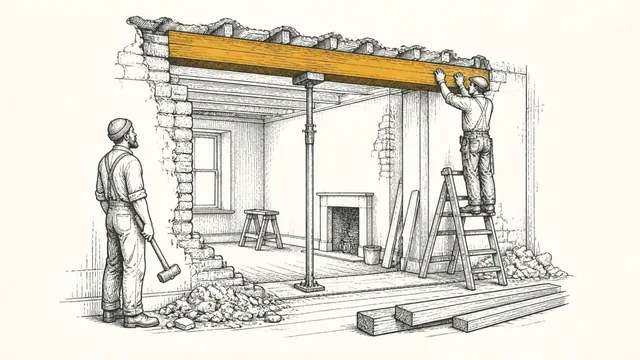
Remember the party game? A line of kids. The first one gets a sentence whispered in their ear ("the dog ate my blue sandwich at the fair") and passes it on. By the end of the line it's "the frog hates Blue's sand witch," and everyone laughs, because nobody lied. Every kid passed along exactly what they thought they heard.
Big companies play this game every January. They just don't laugh at the end.
The problem I keep getting handed, in one form or another, is this one. How do you get a group of people to see the same vision and work toward it when they don't have the same skills and they're not starting from the same place? The telephone game is what you get when nobody answers it on purpose.
Nobody in the line was careless
Say an executive team spends two days at an offsite agreeing that the company needs to "win in the mid-market." It's a real decision with a lot of context behind it: which customers they mean, which competitor worries them, what they're willing to give up.
Then the sentence starts down the line. A VP turns it into a slide. A director turns the slide into a planning theme. A manager turns the theme into tickets. Months later an engineer is building an enterprise permissions feature because one big customer asked for it, and filing it under "mid-market" because that's the label that gets work funded.
Every handoff in that chain was honest. That's what makes it hard to fix.
The reason falls off first. The executives remember why they chose mid-market. The why doesn't fit on a slide, so the slide carries the conclusion and drops the argument, and without the argument the next person can't tell a good reading of the words from a bad one.
Then each layer hears what it was already holding. A director has a backlog, a team to keep busy and a number they're measured on. When new strategy arrives, the parts that fit what they were already doing sound a little louder. Nobody's scheming. That's just how a sentence sounds when your hands are full.
Pass the reason with the words
Shouting louder at the front of the line won't help. Change what gets passed.
Write the intent as one sentence with the reason attached. In the made-up example: "We're going after mid-market companies because our enterprise sales cycle is too slow to fund the business, and we'd rather win many smaller deals fast." Now a manager four layers down can hold a feature request up against that sentence and see whether it fits.
Then write down what it rules out. A strategy that doesn't say what it won't do can be stretched to cover almost anything, and people will stretch it. The no's give the drift edges.
The mechanics of turning intent into commitments people can plan against are in "Plan like a weather forecast": what you're nearly sure of for the next few months, what's likely further out, what's a guess, and how often each one gets updated. I won't repeat them here. One piece of it matters for the whisper, though. When I moved a product org to rolling planning, the strategic leads held office hours that anyone in the org could join to talk through the commit or the roadmap. That's the kid at the end of the line being allowed to turn around and ask.
Ask the far end of the line
The party game is only funny because someone compares the last sentence with the first. Most companies never do.
So do it on purpose. Pick a few teams a long way from the boardroom and ask them what the strategy is. Skip the survey. Sit down with them. Ask what they're working on, why it matters and what they'd drop if they had to. Then listen for the gap.
Some teams will say something close to the intent, in their own words. That's the best result you can get. Some will recite the slide back perfectly and have no idea how it connects to their week. And some will describe a strategy you've never heard of, usually assembled from whatever their last manager cared about.
When you find a gap, walk it back up the line. It's rarely spread evenly. Usually one handoff did most of the damage, and that's the one to fix.
Where the metaphor breaks
In the party game any change is a failure. In a company, some change is the point. The teams closest to the work know things the boardroom doesn't: which customers really buy, what the code can do this year, where the process jams. If they reshape a strategy because of that, good. You want the sentence to change as it gets closer to the ground.
The reason is what has to hold. "Win in the mid-market" can become a dozen different pieces of work in a dozen teams and still be healthy, as long as each team can explain how its version serves the same reason. Matching words prove nothing. Check the reason.
And unlike the kids in the game, people can turn around and ask. The trouble is that most organizations make asking feel like admitting you weren't listening. Make it normal. Put it on the calendar if you have to.
Try this
- Write this year's top priority as one sentence, with the reason and one thing it rules out.
- Ask five people at different levels, from your direct reports to someone three layers down, to state the top priority in one sentence. Don't help them.
- Put their sentences next to yours.
- Circle the places where the meaning changed. For each, find out who passed it along at that point and what they were given to pass.
- Fix that handoff before you rewrite the strategy.
Where do you land?