Autumn 2026 · Cover story
The founder is still the roadmap.
The product sells, and every decision still waits on one person who never says why. What that cost one founder, and the two moves that change it.
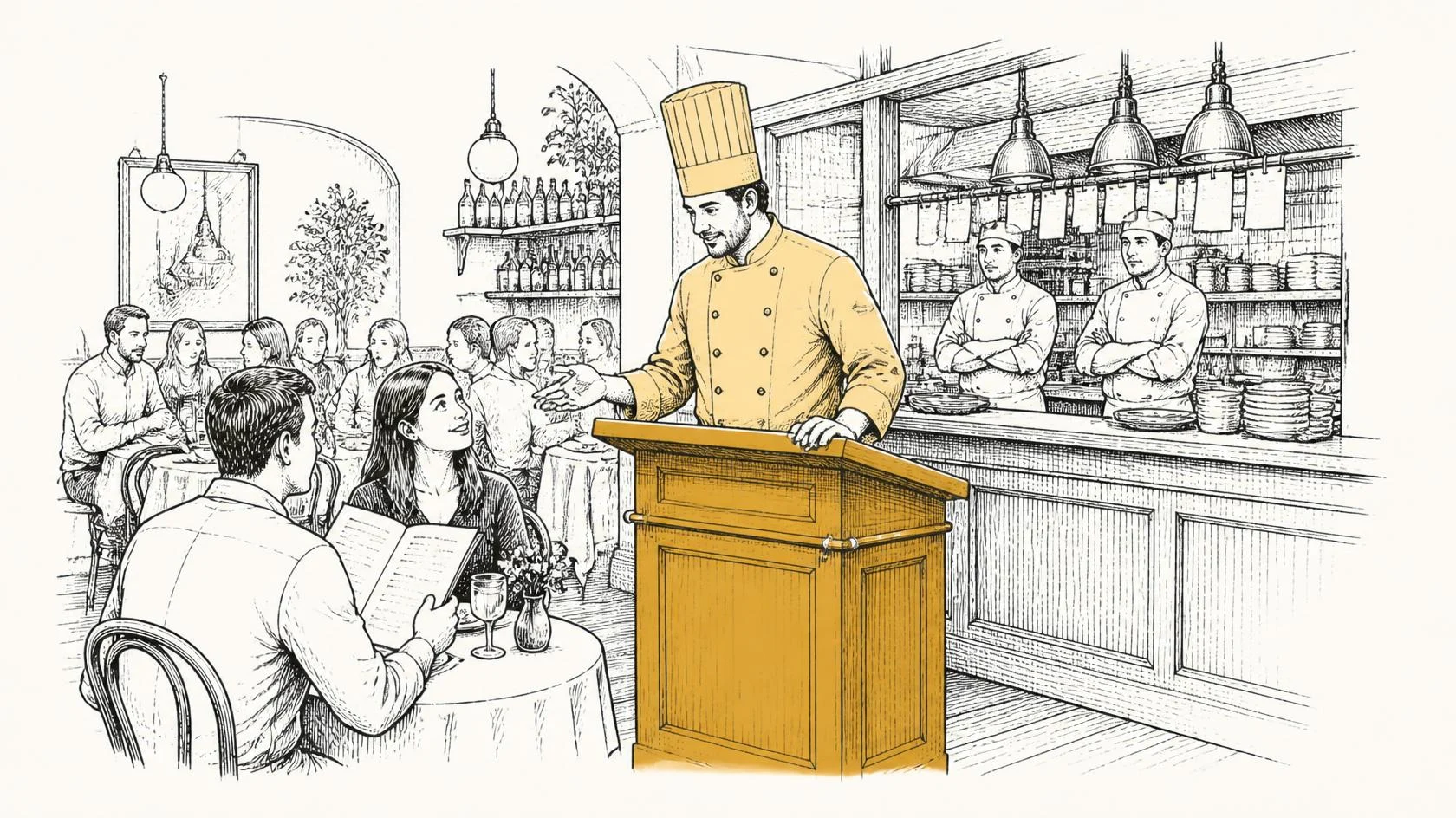
A chef who also seats every table. The food is good, and nobody gets fed on time.
Considerations
Four lanes
01Zero to OneMaking the first thing work, and the first team that can keep it working.Read the lane →02Small Business and StartupsCash, hiring, pricing and planning when there are only a few of you.Read the lane →03Enterprise StrategyDirection, portfolios and organizational change at scale, AI included.Read the lane →04A Healthy Life in BusinessPlanning, energy and judgment for the person doing the work.Read the lane →
Autumn 2026
In this issue
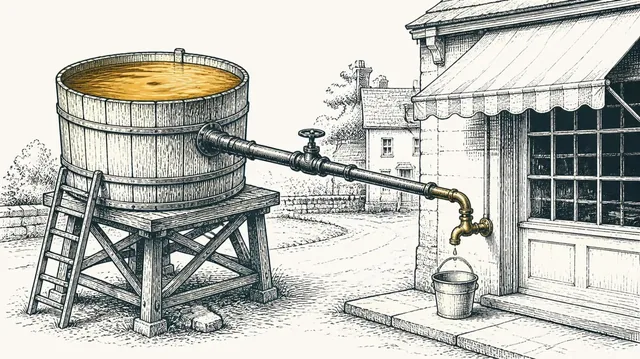
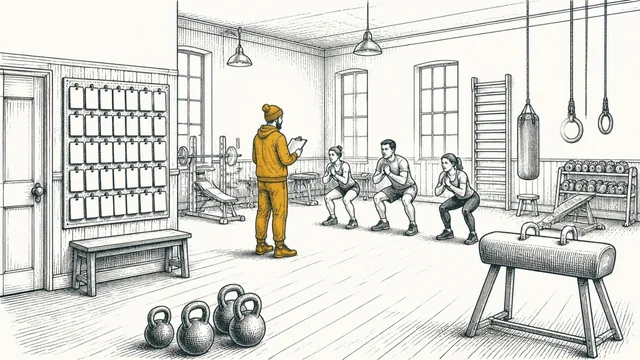
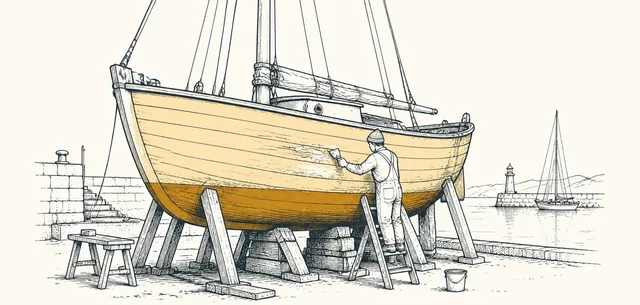
Small Business and StartupsCash is water, and timing is the pipeWhy a profitable month can still leave you short on Friday, and why the money you could raise today might not be there tomorrow.5 min readEnterprise StrategyA gym membership isn't a workoutHanding out AI licenses changes almost nothing by itself. What got one design team further in three weeks than in the six months before.6 min readA Healthy Life in BusinessThe yearly dry dockOnce a year I end every recurring meeting and rebuild my time around what I want the next year to hold. Boats get hauled out for the same reason.4 min read
Insights by industry
What I'm watching in your industry
The record
Seed-stage teams to apps three billion people use.
20%lower enterprise operating cost within a year of consolidating a portfolio built from acquisitions10 figuresprofitability impact from billing changes70%faster zero-to-one launches after rebuilding a consulting firm's innovation practice$24Bcredit union assets, up from $17B, through thirteen mergers
Approach
I come aboard for the hard part.
A harbor pilot boards a ship for the hardest stretch of water, brings it through and steps off. The captain keeps the ship.
Eighteen years across payments, platforms, a credit union, federal work and seed-stage teams. Most roles came with one big job, like carrying a credit union through thirteen mergers.
How I workWork together
When the free essays aren't enough
Engagement 01Embedded Product AuditWhen the roadmap keeps changing, and the outcomes don't.Is this your moment? →Engagement 02Fractional CPOWhen every product decision still routes through one person.Is this your moment? →Engagement 03Fractional to full-timeWhen you've decided you need a head of product.Is this your moment? →
If any of this sounds familiar, write to me.
Short notes get the best answers. Tell me where the company is and what's worrying you.