Before I started working with an established midsize software company, they'd shipped a major new feature. Real engineering effort, a real launch. It reached general availability, and two people used it.
Two.
When it got to sales, nobody knew what to do with it. What problem did it solve? Who was it for? How do you pitch it? Sales had never been part of the conversation. Nobody had asked them to help tune the value proposition, or to check whether the feature set fit that value proposition and the people who'd be buying it. They met the feature about the same time the customers did.
The answer to "who is it for" turned out to be uncomfortable. It needed to be sold to a different set of people than the ones who bought the company's existing product. Different buyer, different conversation, different sales motion. That's a long way to travel after GA.
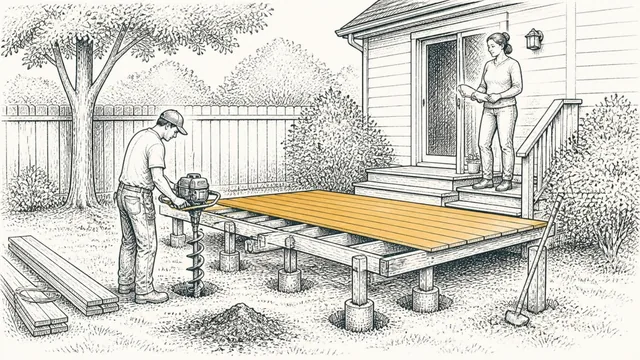
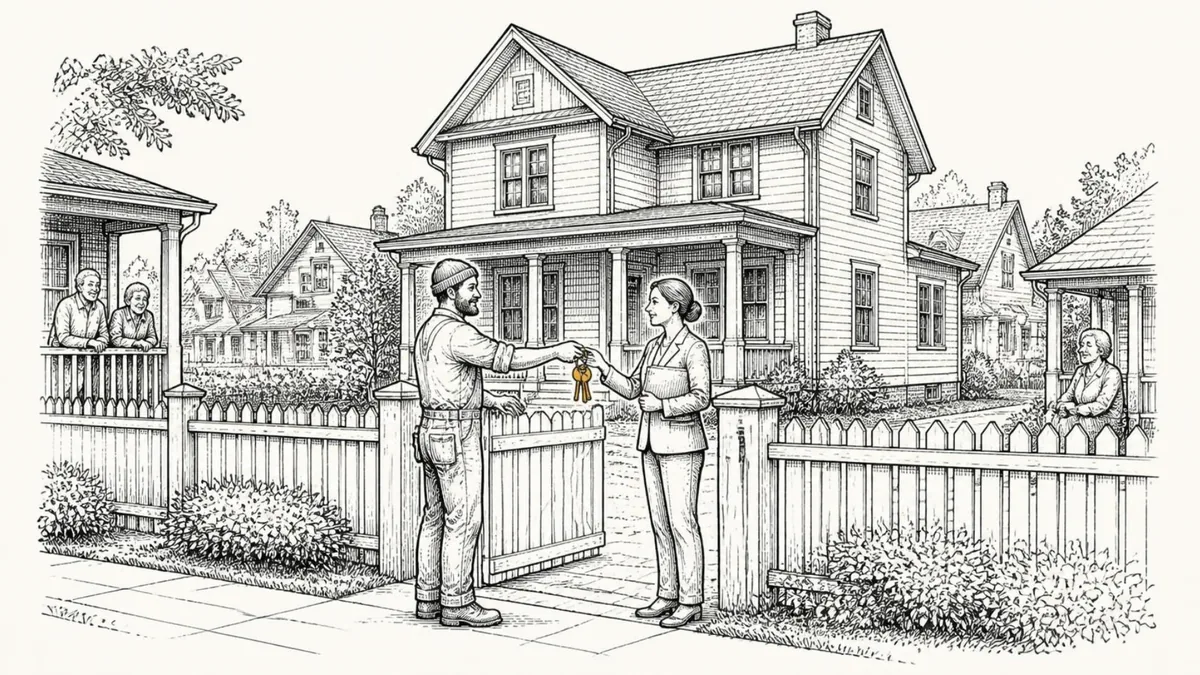
Picture a builder who puts up a beautiful house. Good bones, good materials, built to last. Then he hands the keys to a real-estate agent, who walks through once and says: this is a five-bedroom family house on a street full of retirees. The house is fine. The street is wrong for it. She could have told him before the foundation went in, if anyone had asked.
Both sides want something real
Engineering wants to build the right thing, and build it well. Good instinct. A feature gets built once and carried for good: tested on every release, patched when it breaks, explained to every new hire. Engineers think in years because they're the ones who live with what ships.
Sales wants something a buyer will take. Something they can explain in a breath to a person with a budget and a deadline. When a rep says "my buyers won't get this," they're usually reporting a fact from the field, the same way an engineer reporting that the code won't hold is reporting a fact from the codebase.
Neither one is the wrong thing to want. In that company, the two sides never even got to disagree. Sales showed up at the end, when the only question left was how to sell something already built.
Ask sales at the very beginning
The fix is timing. At the very beginning, when you're deciding what to build, talk to salespeople. You're there for information you can't get anywhere else. These are the questions I ask:
- Does this make sense for the people we sell to now?
- Is it an add-on, or an additional product?
- How would we position it?
- What would make it very easy to sell, and to whom?
- Is there anyone we compete with in the sales cycle where this fits, or doesn't?
- Do our competitors offer something similar?
The answers tell you a lot about the right feature set. That holds whether you run lean, waterfall or agile. The method matters less than you'd think here, because the questions point at what provides value to the market, and salespeople are tuned to that. They hear every week what buyers value right now. They know what it takes to make that value available and obvious to the person signing.
If the answer to the first question had been "no, this is for somebody else," that company could have made a real decision. Build it anyway and plan a new sales motion. Reshape it for the buyers they already had. Or leave it on the shelf. Any of those beats finding out at GA.
Viable means someone can take it
Here's the line I keep coming back to. A solution that no one can take, or no one will take, or can't be explained isn't a viable solution.
Engineering answers whether it works. Sales answers whether anyone can take it, whether they will, and whether it can be explained. Those two have to work together. If you only get one side's answer, you're not landing the value, however good the build is.
Two users after GA is what it looks like when you only ask one side.
This doesn't mean sales should write the roadmap. A roadmap written by the last five deals reads like a list of customer names, and engineering ends up carrying one-off promises forever. What you want is sales' read on the market at the start, while decisions are still cheap, sitting next to engineering's read on what it takes to build and keep. That conversation is the one that got skipped.
Where the metaphor breaks
A real-estate agent knows today's buyers. So does sales, mostly. If you're building something truly new, for a buyer who doesn't exist yet, the people closest to the current market can talk you out of it. Ask anyway. Just know you're hearing about the market as it is, and weigh that against where you think it's going.
A house can't move to a different street. A product can, and sometimes should, like the feature that needed a different buyer. But a new street means new messaging, a new sales motion, maybe new people. That's a big decision. It's much cheaper to make before the build than after it.
And the agent never has to live in the house. Engineering does. Sales can tell you what will sell this year, but it rarely has to maintain what got promised to close a deal. If sales gets a voice at the start, engineering's view of the long-term cost belongs in the same room.
Try this
- Pick the next significant feature on your roadmap, before any build work starts.
- Put two or three salespeople in a room with whoever owns the roadmap and an engineering lead.
- Ask the six questions above and write the answers down where both teams can read them.
- If the answers say "different buyer," stop and decide on purpose: new sales motion, reshape the feature, or don't build it.
- Before launch, ask a salesperson to pitch it back to you in two sentences. If they can't, it isn't ready to sell.
- Thirty days after launch, compare usage with what sales expected, and talk about the gap.
Where do you land?