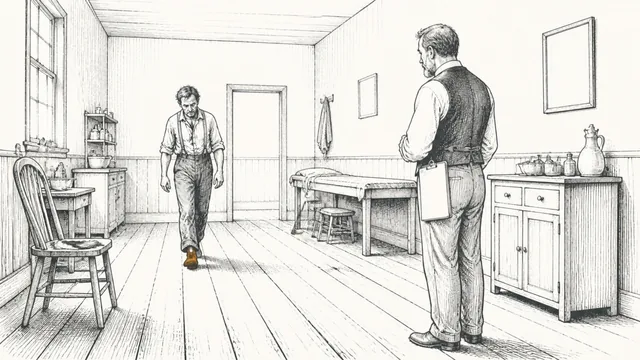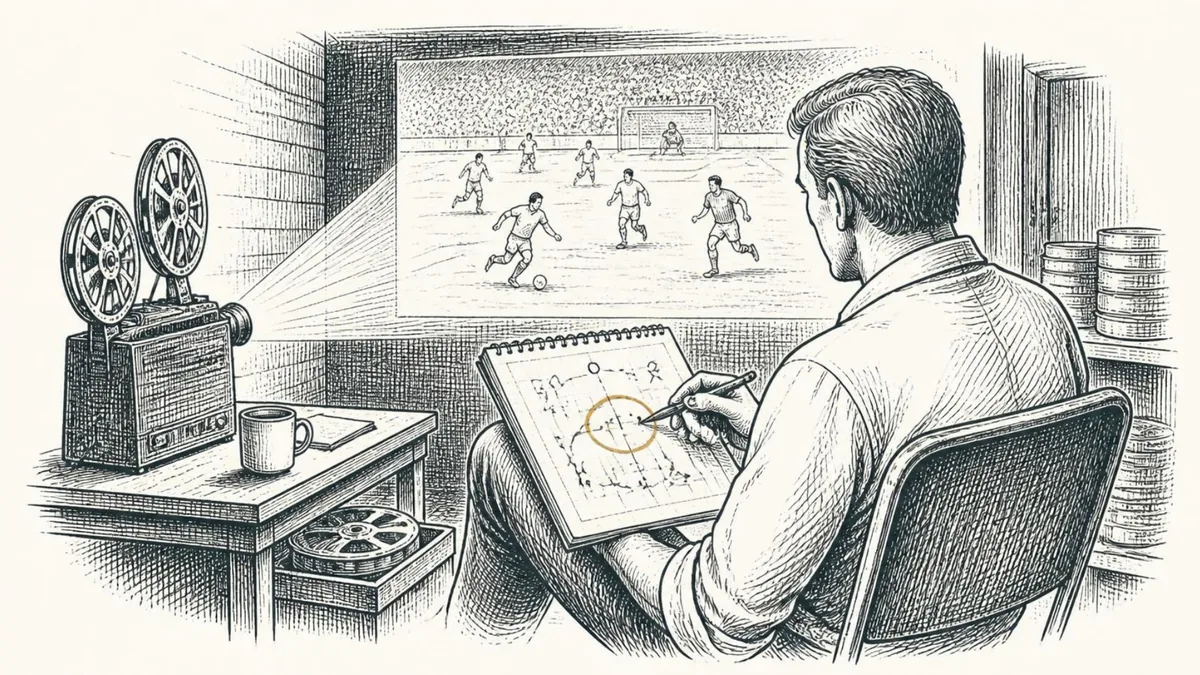
A new coach doesn't change the playbook in the first week. They watch film. They learn who can do what, which plays the team actually runs (as opposed to the ones in the binder), and where the games are being lost. Then they change the two or three plays that are costing the most.
A new product leader's first ninety days should work the same way.
That's harder than it sounds, because everyone in the building wants the playbook changed by Friday. The founder brought someone in because something hurts, and the new leader wants to prove they were worth it. Both pressures push toward the same mistake: deciding before you've watched the film.
So the first stretch is for earning the right to have answers. And for making a couple of decisions early enough that people know you'll make decisions.
If you're the founder bringing someone in
Your job at the start is mostly access. Open your calendar, your customers and your numbers. Introduce the new leader to the people who'll tell them the truth, including the ones who'll tell them you're part of the problem.
Then resist asking for a strategy in week two. You'll get one if you ask. It'll be built mostly from what you told them, and it'll be wrong in the ways you're already wrong. What you want, a few weeks in, is a written read of the company that surprises you a little. If it doesn't surprise you at all, either you already knew everything (unlikely) or they spent the time agreeing with you.
Watch film first
The goal is to understand the business well enough to name the one or two problems that matter most.
Start with the calendar. When I come into an organization, one of the first things I look at is the meetings. What's on the books? Which ones are standing? How much of the week do people spend in them? What are they called (discussions, working sessions, reviews), and what exactly is each one for? It's often the first sign of a problem. As an organization drifts, you see more and more meetings about what's happening, and less and less action. The calendar will show you that before anyone in the building says it. ("Look for the drift" goes further into this.)
Then the rest of the film:
- One-on-ones with everyone who touches the product. Every PM and designer, every engineering lead, the heads of sales, success, marketing and finance, every peer on the leadership team. Ask the same three questions each time, so the answers compare: what's working, what's in your way, and what would you change if you were me?
- Customer calls. Sit in on at least ten. Skip the demos. You want customers who are unhappy or about to renew.
- The last two quarters on paper. Roadmaps, planning docs, postmortems. What got promised next to what shipped is the most honest document in any company.
- The portfolio on one page. What we sell, who buys it, what it earns, where it's going. Most companies can't produce this page. That's your first finding.
- One small, visible fix people have been asking for all year. Ship nothing big. The small fix buys trust for everything after.
What comes out is a written diagnosis. Still not a strategy. What's true, what's broken, and the crux.
Then pick the plays
Now turn the diagnosis into a small number of bets the leadership team signs up for.
Write the read: what the product is for, where the team is strong, and which two or three problems are worth the most to fix. Write the stop list too. Where we play, how we win, and what we stop doing. The stop list is where strategy lives. Everything else is a wish.
Agree on the measures, a handful of outcome numbers the product org will answer for. If the product is new, they'll be fuzzy. Use them anyway, and write down how you'd know it failed as well as how you'd know it worked.
Fix how decisions get made before fixing what gets decided. Who calls what, how fast, and where it's written down. You don't need the perfect reorg for that. You need names. For each major piece of work, name a strategic lead, a delivery lead and a technical lead, and put the names where everyone can see them.
What comes out is a strategy the leadership team has argued with and agreed to. Before it goes wide, the founder, sales, finance and a few customers should all get a turn to push on it. A strategy nobody argued with hasn't really been read.
Then run the first plays
Now make the strategy run without the product leader in every room.
Launch the first change against the top problem, sized to show results inside a quarter. Put a planning rhythm in place that says out loud how sure you are: firm for the next few months, looser further out, a guess beyond that ("Plan like a weather forecast" has my version). Write a short update every week. Share the first wins loudly, even small ones.
Start the people work, and do it with people rather than to them. Have each PM do a self-assessment and the manager do the same one separately, then put them side by side. Where they differ is the conversation. "Grading PMs without grading the grader" has how that works.
What comes out is a working system and an honest readout: what was promised, what got done, what was learned.
Two ways to lose the locker room
Announce a reorg in week two. You don't know enough yet, and everyone can tell.
Rewrite the roadmap before you understand why it looks the way it does. Every odd item on a roadmap has a story. Some of the stories are bad. Some are a contract, a regulator or a customer who pays for a third of the payroll. Find out which before you cross anything off.
The leaders who struggle tend to run the order in reverse: move, then decide, then try to understand why it didn't work.
A company of twenty might need all of this squeezed into a few weeks. A big enterprise might need the listening stretched well past the first month. The calendar bends. The order doesn't: understand, decide, then move.
Where the metaphor breaks
A coach can watch last season on tape. Companies don't keep tape. The most important plays (the hallway decision, the promise sales made on a call, the reason a feature got cut) happened in rooms with no camera. The closest thing to tape is the calendar, which is why I start there. Everything else the new leader has to watch live, which is slower and depends on people letting them in.
A coach also can't change the sport. A product leader sometimes should. The diagnosis may say the team is running the right plays in the wrong game: the wrong customer, the wrong market, the wrong product. That's a bigger call than changing a play, and one more reason not to make it in week two.
Try this
For the founder, before the new leader starts:
- Write down the three things you think are wrong with the product and the team. Seal it.
- List twenty people and customers they should meet early, including at least two who'll criticize you. Book the time before their first day.
- Put the last two quarters of roadmaps, planning docs and postmortems in one folder and hand it over on the first morning.
- Print next week's standing meetings. Next to each, write what it's for in one line. Hand that over too, and ask the new leader to mark the ones they'd cancel.
- When the written read arrives, open your sealed list and put it next to theirs. Where they differ, ask why before you argue.
Where do you land?